Polacy jedzą więcej mięsa i piją mniej alkoholu. Więcej mięsa?
W tym tygodniu trafiłem na statystykę, przy której musiałem się na chwilę zatrzymać: Polacy jedzą coraz więcej mięsa.
English translation
This week I came across a statistic that made me stop for a moment: Poles are eating more and more meat.
Więcej mięsa?
English translation
More meat?
Byłem przekonany, że już wcześniej jedli go całkiem sporo.
English translation
I was convinced they were already eating quite a lot of it.
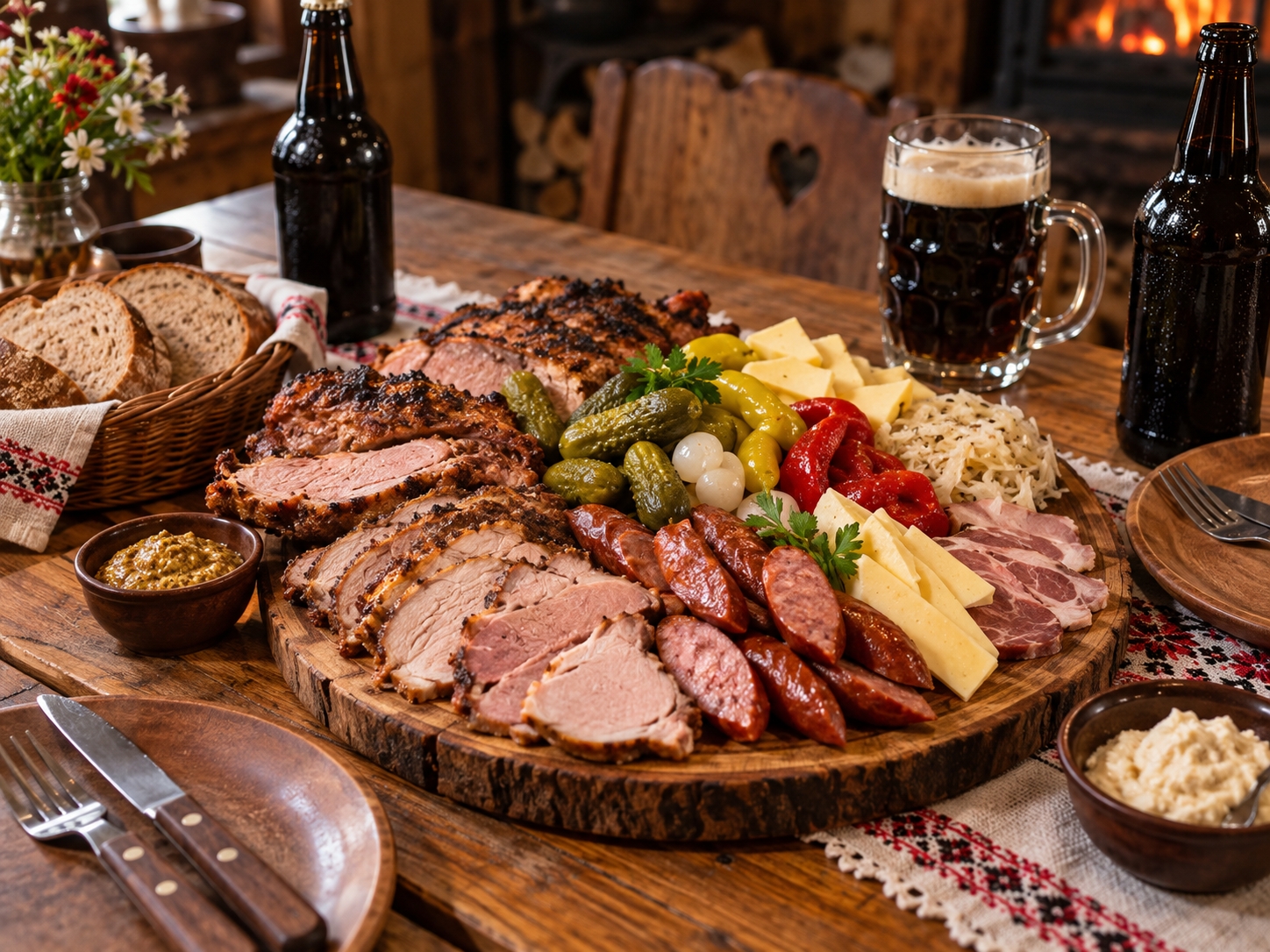
Każdy, kto spędził trochę czasu przy polskim rodzinnym stole, wie, o czym mówię. Pierogi z mięsem. Karkówka. Kotlet schabowy. Kiełbasa, oczywiście. Szynka. Pieczone mięso. Domowe jedzenie przygotowane po staremu, do tego ziemniaki, kluski albo surówki. A jeżeli jesz u kogoś w domu, istnieje spora szansa, że jeden obiad w jakiś sposób zamieni się w trzy dania.
English translation
Anyone who has spent some time around a Polish family table knows what I mean. Meat-filled pierogi. Karkówka. Kotlet schabowy. Kiełbasa, of course. Ham. Roast meat. Homemade food prepared the old-fashioned way, with potatoes, dumplings or salads on the side. And if you are eating at somebody's home, there is a good chance that one meal will somehow turn into three courses.
Nie narzekam. Wręcz przeciwnie.
English translation
I'm not complaining. Quite the opposite.
Według najnowszych danych GUS przeciętny Polak zjadł w 2025 roku 82 kilogramy mięsa. To o 7,5% więcej niż rok wcześniej i prawie 23% więcej niż w 2005 roku. Wzrosło także spożycie jaj. Co ciekawe — przynajmniej jeśli ktoś ma stereotypowy obraz polskiej kuchni — w dłuższej perspektywie Polacy jedzą znacznie mniej ziemniaków. Notes From Poland
English translation
According to the latest data from Statistics Poland, the average Pole ate 82 kilograms of meat in 2025. That was 7.5% more than the year before and almost 23% more than in 2005. Egg consumption also increased. Interestingly — at least for anyone with a stereotypical image of Polish cuisine — over the longer term Poles are eating considerably fewer potatoes. Notes From Poland
Jest oczywiście jeden słynny wyjątek od tej mięsnej tradycji: Wigilia. W wielu polskich domach wciąż nie je się wtedy mięsa.
English translation
There is, of course, one famous exception to this meat-eating tradition: Christmas Eve. In many Polish homes, people still do not eat meat that evening.
Zawsze trochę bawiła mnie symbolika tej tradycji. Świętujemy narodziny Chrystusa i akurat tego wieczoru mięso znika ze stołu. Biorąc pod uwagę, co później symbolicznie dzieje się z ciałem Chrystusa w liturgii, może lepiej nie analizować tego zbyt dokładnie.
English translation
I have always found the symbolism of this tradition slightly amusing. We celebrate the birth of Christ, and on that particular evening meat disappears from the table. Considering what later happens symbolically to the body of Christ in the liturgy, perhaps it is better not to analyse it too closely.
Ryba najwyraźniej jednak nie stanowi problemu.
English translation
Fish, however, apparently does not present a problem.
Druga część tych statystyk jest chyba jeszcze ciekawsza: Polacy piją mniej alkoholu.
English translation
The second part of these statistics is perhaps even more interesting: Poles are drinking less alcohol.
Spożycie piwa wyraźnie spadło w porównaniu ze szczytem z 2018 roku. Mniej pije się także alkoholi mocnych i wina. Nie wygląda to już na przypadkowe wahanie z jednego roku — raczej na prawdziwy trend. Choć dla zachowania proporcji warto dodać, że spożycie alkoholu nadal jest nieco wyższe niż dwadzieścia lat temu. Notes From Poland
English translation
Beer consumption has fallen noticeably from its 2018 peak. People are also drinking less spirits and wine. This no longer looks like a random fluctuation from one year to another, but rather like a genuine trend. Although, to keep things in perspective, it is worth adding that alcohol consumption is still somewhat higher than it was twenty years ago. Notes From Poland
Mam wobec tego trochę mieszane uczucia.
English translation
I have somewhat mixed feelings about that.
Alkohol w Polsce zawsze był niezwykle łatwo dostępny. Małe sklepy, stacje benzynowe, kioski, supermarkety i miejsca otwarte o godzinach, o których nikt rozsądny nie potrzebuje kupować niczego poza papierosami, piwem i podejrzanymi przekąskami.
English translation
Alcohol in Poland has always been extremely easy to obtain. Small shops, petrol stations, kiosks, supermarkets and places open at hours when no sensible person really needs to buy anything except cigarettes, beer and questionable snacks.
I oczywiście ta dostępność ma swoją ciemną stronę.
English translation
And of course, that availability has its dark side.
Są skutki zdrowotne. Są rodziny niszczone przez alkohol. Są ludzie, którzy piją zdecydowanie za dużo. Polska nie jest pod tym względem wyjątkowa, ale udawanie, że wszystko sprowadza się do niewinnej zabawy, byłoby nieuczciwe.
English translation
There are health consequences. There are families damaged by alcohol. There are people who drink far too much. Poland is not unique in this respect, but pretending that it is all just harmless fun would be dishonest.
Z drugiej strony jest też coś w polskiej kulturze picia, co zawsze lubiłem.
English translation
On the other hand, there is also something about Polish drinking culture that I have always liked.
Dwa piwa kupione pod wpływem chwili. Jedno dla ciebie, jedno dla mnie. Może jeszcze po jednym, bo rozmowa zrobiła się ciekawa. Ławka gdzieś w parku — nie zawsze całkiem legalnie, co później tylko poprawia historię — albo mała knajpa, do której weszliśmy „na chwilę”, a wyszliśmy dużo później.
English translation
Two beers bought on impulse. One for you, one for me. Maybe another one each because the conversation became interesting. A bench somewhere in a park — not always entirely legal, which only makes the story better afterwards — or a small pub that we entered “for a moment” and left much later.
Takie sytuacje mają niezwykłą zdolność do tworzenia bezpośrednich, spontanicznych rozmów. Polityka, rodzina, praca, historia, sąsiad, szwagier, dlaczego Niemcy znowu się mylą, dlaczego Warszawa jest za droga i dlaczego reprezentacja w piłce nożnej znowu niczego nie wygra.
English translation
Situations like that have a remarkable ability to produce direct, spontaneous conversations. Politics, family, work, history, the neighbour, the brother-in-law, why Germany is wrong again, why Warsaw is too expensive, and why the national football team will once again fail to win anything.
Nic zaplanowanego. Nic zoptymalizowanego. Po prostu rozmowa.
English translation
Nothing planned. Nothing optimised. Just conversation.
Jest w tym coś bardzo polskiego.
English translation
There is something very Polish about it.
A polskie piwo jest dobre. Żywiec, przynajmniej według moich całkowicie nienaukowych doświadczeń, czasami zachowywał się niemal jak woda życia. Nie będę już jednak powtarzał twierdzenia z młodszych lat, że po Żywcu „nie ma kaca”. Wiek dostarczył mi pewnych kontrargumentów.
English translation
And Polish beer is good. Żywiec, at least according to my completely unscientific experience, has at times behaved almost like the water of life. I will no longer repeat the claim from my younger years that Żywiec gives you “no hangover”, however. Age has provided me with some counterarguments.
Więc być może spadek spożycia alkoholu naprawdę jest dobrą wiadomością.
English translation
So perhaps the decline in alcohol consumption really is good news.
Trochę dziwi mnie tylko, że poważniejsza polityka ograniczania spożycia nie pojawiła się wcześniej, szczególnie w latach, kiedy PiS przedstawiał się jako obrońca tradycyjnych wartości katolickich. Alkohol nie jest przecież marginalnym problemem zdrowotnym. Być może ograniczenia były po prostu zbyt niepopularne. Rządom zwykle łatwiej bronić zasad, dopóki zasady te nie zaczynają przeszkadzać wyborcom w codziennych przyzwyczajeniach.
English translation
What surprises me a little is that a more serious policy of reducing consumption did not appear earlier, particularly during the years when PiS presented itself as the defender of traditional Catholic values. Alcohol is, after all, not a marginal public-health problem. Perhaps restrictions were simply too unpopular. Governments generally find it easier to defend principles until those principles begin interfering with voters' everyday habits.
Jeżeli Polacy rzeczywiście będą stopniowo pili mniej, małe sklepy jakoś sobie poradzą. Mogą sprzedawać kawę. Kupony Lotto. Energetyki. Paczki z Allegro. Albo jakiś inny lekko podejrzany interes, który zastąpi nocną sprzedaż wódki.
English translation
If Poles really do gradually drink less, the small shops will manage somehow. They can sell coffee. Lotto tickets. Energy drinks. Allegro parcels. Or some other slightly questionable business to replace late-night vodka sales.
A jeśli chodzi o mięso: smacznego.
English translation
And as for the meat: enjoy your meal.
Tylko warto pilnować pasa.
English translation
Just keep an eye on your waistline.
Piwny brzuch może się zmniejszać. Byłoby dość zabawne, gdyby jego miejsce zajął brzuch od schabowego.
English translation
The beer belly may be getting smaller. It would be rather funny if it were replaced by a pork-cutlet belly.
Dane, które zainspirowały ten tekst, zostały opisane przez Notes from Poland na podstawie statystyk GUS. Notes From Poland
English translation
The data that inspired this article were reported by Notes from Poland, based on statistics from Statistics Poland. Notes From Poland
About DevHome
DevHome is my one-person software studio. I build language-learning apps around the idea that learners should start using a language early, while gradually developing vocabulary, listening, pronunciation, reading and writing.
You can find my language apps at apps.devhome.no .